Ever wondered why auto insurance in Massachusetts seems like a maze of numbers and policies? You’re not alone. Navigating the world of auto insurance can feel daunting, especially with the myriad of factors affecting your premium. But fear not, we’re here to break it all down for you, piece by piece.
In this comprehensive guide, we’ll delve into everything you need to know about auto insurance in Massachusetts. From understanding state requirements to discovering ways to save on your policy, we’ve got you covered. So, buckle up and let’s explore the ins and outs of auto insurance in the Bay State!






Overview of Auto Insurance in Massachusetts
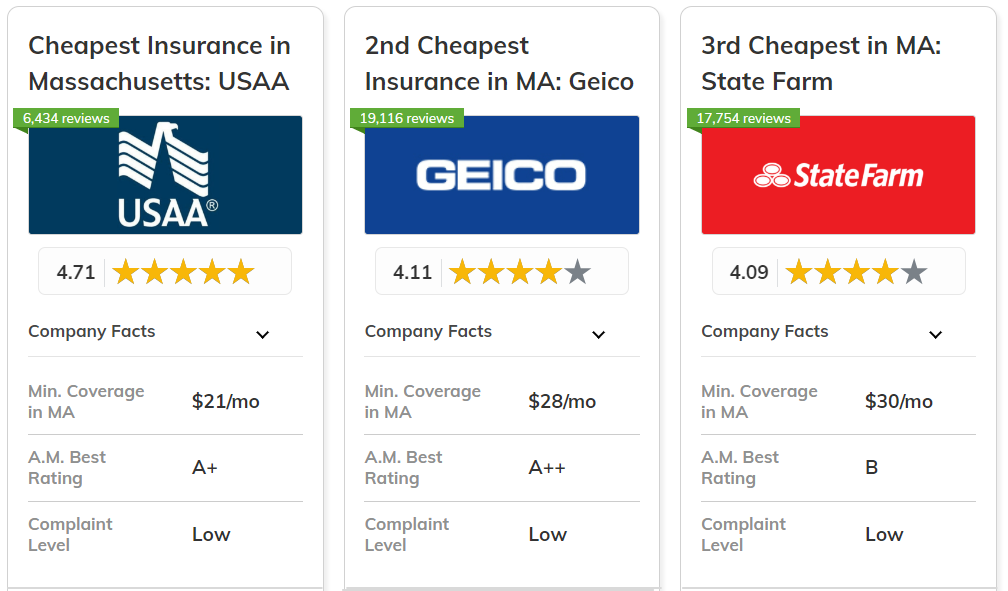
Did you know Massachusetts has some of the most unique auto insurance requirements in the U.S.? It’s crucial to understand these if you’re driving in the Bay State.
First off, auto insurance is mandatory in Massachusetts. You can’t drive legally without it. The state requires a few specific types of coverage to keep everyone safe and sound on the road.
General Requirements for Auto Insurance in Massachusetts
In Massachusetts, you need to have at least four types of coverage: Bodily Injury to Others, Personal Injury Protection (PIP), Bodily Injury Caused by an Uninsured Auto, and Damage to Someone Else’s Property. These are the minimum to get you legally onto the road. But don’t just stop there; it’s often wise to consider optional coverage for added protection.
Types of Coverage Options Available
Here is the deal: while the state mandates minimum coverage, there are several other options you can choose. These include Collision, Comprehensive, and Medical Payments. Each option is designed to cover different scenarios, like protecting you from out-of-pocket expenses in accidents or damage not caused by collisions.
Massachusetts’ Minimum Insurance Requirements
The minimum insurance requirements in Massachusetts are quite strict. You must carry at least $20,000 per person and $40,000 per accident for Bodily Injury, as well as $5,000 for property damage. But here’s a shocker: given the expensive medical costs and repairs, these minimums may not be enough if you get into a serious accident.
Pro Tip: Consider upping your coverage limits to better protect yourself financially.
Factors Influencing Auto Insurance Rates in Massachusetts
Now, let’s talk about what affects your rates. Your age, driving history, and even your credit score can significantly impact what you pay. Massachusetts also factors in where you live — urban areas might cost you more due to higher risks of accidents and theft.
Insurance companies also look at the type of car you drive. A flashy sports car? Expect to pay more. A reliable family sedan? Your rates could be much lower.
Cost Factors and Comparisons
Did you know that auto insurance in Massachusetts can be a real wallet-buster? It’s true! In fact, the average cost is significantly higher than in many other states.
But what exactly drives these costs? Let’s dive into the nitty-gritty of how Massachusetts compares to its neighbors and what factors are at play.
How Massachusetts Stacks Up Against Other States
On average, Massachusetts drivers pay around $1,300 annually for auto insurance. That’s 20% higher than the national average. Why? Primarily due to strict state regulations and high population density, which can lead to more accidents.
Let’s take a closer look at how Massachusetts compares to other states:
| State | Average Annual Cost |
|---|---|
| Massachusetts | $1,300 |
| New York | $1,450 |
| California | $1,700 |
| Texas | $1,200 |
Key Factors Influencing Auto Insurance Costs in Massachusetts
Several factors can significantly impact your auto insurance bill in Massachusetts. Here is the deal: location, age, driving history, and vehicle type are the big players.
- Location: Urban areas like Boston tend to have higher premiums due to increased traffic and accident rates.
- Age: Younger drivers often face steeper costs due to perceived inexperience.
- Driving History: A clean record can save you big bucks compared to a history of accidents or violations.
- Vehicle Type: Sporty or luxury cars usually come with higher insurance rates.
Pro Tip: Maintain a clean driving record to score lower rates over time.
Insurance Costs by City in Massachusetts
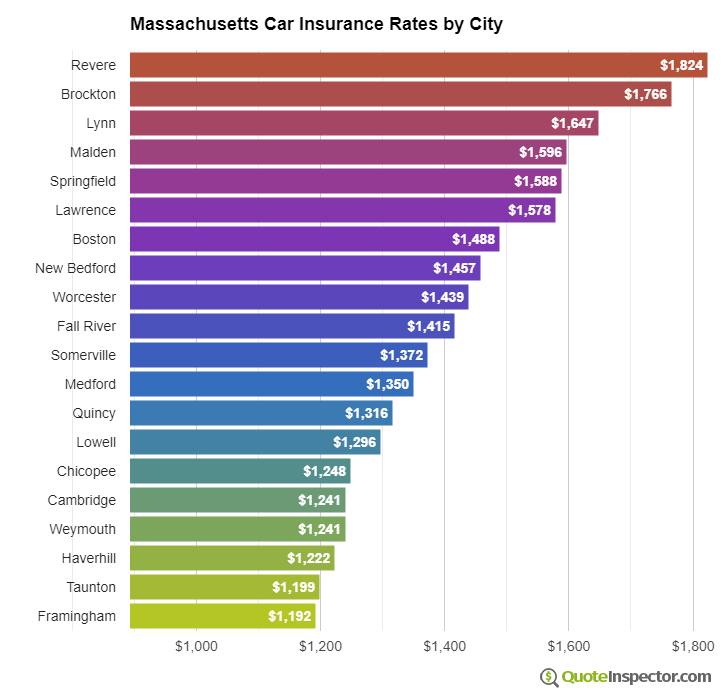
Wondering how much your city influences what you pay? Here’s a breakdown of average annual insurance costs by city:
| City | Average Annual Cost |
|---|---|
| Boston | $1,500 |
| Springfield | $1,200 |
| Worcester | $1,250 |
| Lowell | $1,100 |
How Personal Factors Impact Your Insurance Price
Your personal profile can heavily influence your premium. If you’re a young driver or have a few speeding tickets, brace yourself for higher costs. However, if you drive a safe, low-horsepower vehicle and have decades of safe driving, you’ll likely benefit from lower rates.
Here’s a quick rundown of the impact of personal factors:
- Age: Under 25? Expect to pay more.
- Driving Record: Accidents and violations can increase your premiums by up to 40%.
- Credit Score: Believe it or not, a higher credit score can mean lower insurance costs.
Pro Tip: Regularly check your driving record and credit score to ensure you’re getting the best possible rates.
Discounts and Savings Opportunities
Did you know that you could be missing out on significant savings on your auto insurance in Massachusetts? Many drivers are unaware of the wide array of discounts available to them.
Insurance companies offer numerous discounts, but understanding them is key to lowering your premiums. Let’s dive into some of the most common discounts and how you can take advantage of them.
Common Discounts Offered
Many insurers in Massachusetts offer a plethora of discounts. If you’re a good student, for instance, you could save up to 15% on your premiums! Have a clean driving record? That could chop another 10% off your bill. Here’s the deal: Combining discounts can lead to even more savings.
- Good Student Discount: If you maintain a B average or better.
- Multi-Policy Discount: Bundle auto and home insurance.
- Safe Driver Discount: Maintain a clean driving record.
- Pay-In-Full Discount: Pay your annual premium upfront.
Methods to Reduce Premiums
Reducing your auto insurance premiums doesn’t have to be a mystery. Step #1: Regularly review your coverage to eliminate unnecessary add-ons. Step #2: Increase your deductible to lower your monthly premium. But remember, this means more out-of-pocket in the event of a claim.
| Action | Potential Savings |
|---|---|
| Increasing Deductible | Up to 30% |
| Dropping Unnecessary Coverage | Varies |
Pro Tip: Review your coverage annually to ensure it aligns with your current needs and financial situation.
Bundling Policies for Savings
Bundling can be a game-changer. By combining your auto insurance with another policy, like homeowners or renters insurance, you can save big. Insurers love loyal customers, and they’re willing to give you discounts for sticking around.
- Auto + Home: Up to 25% savings.
- Auto + Renters: Up to 10% savings.
- Auto + Motorcycle: Up to 15% savings.
Safe Driving Programs and Their Impact
Safe driving programs are more than just a trend—they’re a ticket to lower premiums. Many insurers incentivize safe driving habits with usage-based insurance programs. Plug in a device or use an app, and you could earn discounts based on your driving behavior.
These programs monitor factors like speed, braking, and mileage. Have a clean driving year? That could translate to a 5-30% discount on your insurance costs. It’s like having a financial bonus just for being a responsible driver!
How to Choose the Right Insurance Provider
Choosing an insurance provider can be as challenging as picking the perfect car. In Massachusetts, where auto insurance is a big deal, selecting the right company means more than just scanning prices.
Let’s dive into how you can find the best fit for your needs and why certain factors should be non-negotiable.
Evaluating and Selecting an Insurance Provider in Massachusetts
Step #1: Start with research. Check online reviews and ratings to gauge the reputation of insurance providers. You want a company that people trust when things go sideways.
Step #2: Assess customer service. This often gets overlooked, but top-tier customer service can make or break your experience. Call their hotline and see how quickly they respond. Test their patience with your questions. It’s all in the response time and how genuinely helpful they are.
The Importance of Customer Service and Financial Stability
Financial stability is a must. Why? Because an insurer with shaky finances might not be able to pay your claim. Look at their financial ratings from agencies like A.M. Best or Standard & Poor’s.
“An insurance provider should make you feel secure, not stressed.”
Pro Tip: Choose a provider with a strong local presence in Massachusetts. Local companies often understand local laws better and offer more personalized service.
Checklist for Comparing Policy Features and Benefits
Here’s the deal: not all policies are created equal. Use this checklist to compare:
- Coverage limits and deductibles
- Optional coverages (like roadside assistance)
- Discounts available
- Claim processing times
- Customer service ratings
Compare these side by side to see which provider offers the best package for your needs.
Tips for Reading and Understanding Insurance Policy Terms
Insurance language can be confusing, BUT that doesn’t mean you should ignore it. Here’s how to tackle it:
Focus on key terms like “limits”, “exclusions”, and “endorsements”. These can significantly impact your coverage.
“Always read the fine print. It’s where the devil hides in your policy.”
Pro Tip: If you’re unsure about any term, ask your agent. They’re there to help you understand, not just to sell you a policy.
Legal Aspects and Claims Process
Did you know that driving without insurance in Massachusetts could cost you up to $5,000 in fines? Not to mention potential jail time. Let’s dive into the legal side of things and what you need to do when filing a claim.
Massachusetts law requires all drivers to carry a minimum amount of auto insurance. This isn’t just a suggestion; it’s a legal obligation. But here is the deal, understanding the claims process can save you a ton of hassle and stress if you ever find yourself in an accident.
Legal Obligations for Auto Insurance Holders
In Massachusetts, you’re required to have four types of coverage: Bodily Injury to Others, Personal Injury Protection (PIP), Bodily Injury Caused by an Uninsured Auto, and Damage to Someone Else’s Property. Failing to meet these requirements can lead to hefty penalties.
Pro Tip: Always keep a copy of your insurance card in your glove box. It’s a simple step that can save you a major headache if you’re pulled over or involved in an accident.
Filing an Insurance Claim After an Accident
So, you’ve been in an accident. Now what? First, make sure everyone is safe and call emergency services if needed. Document the scene with photos and gather witness information. Then, contact your insurance provider to report the incident.
Here’s how it works: Step #1, notify your insurance company as soon as possible. Step #2, provide all necessary documentation, including photos and police reports. Your insurance company will guide you through the rest of the process.
Overview of the Claims Processing Timeline
Typically, the claims process can take anywhere from a few days to several weeks, depending on the complexity of the accident. After you submit your claim, an adjuster will review it and assess the damages. You can expect regular updates from your insurer throughout this period.
Dealing with Denied Claims or Disputes
What if your claim is denied? It’s not the end of the world, but it does require some action on your part. Review the denial letter carefully and gather any additional evidence that might support your claim. Consider seeking legal advice if necessary.
Always remember to keep records of all communications with your insurance provider. This can be crucial if you need to dispute a decision.
Trends and Future of Auto Insurance in Massachusetts
Did you know that the auto insurance market in Massachusetts is constantly evolving? This evolution is driven by factors like technological advancements and changes in legislation. Let’s dive into what’s trending and what’s on the horizon.
Understanding these trends can help you make more informed decisions about your auto insurance. From telematics to new laws, staying ahead of the curve can save you money and hassle.
Technological Advancements in Auto Insurance
Telematics is the buzzword you need to know. This technology allows insurance companies to track your driving behavior in real-time, rewarding safe drivers with lower premiums. BUT, it also means insurers have more data on you than ever before.
Pro Tip: Embrace telematics if you’re a safe driver. It can significantly reduce your insurance costs.
Legislative Changes Affecting Auto Insurance
Massachusetts is known for its strict auto insurance regulations. However, new legislation is on the table that could change the landscape. Keep an eye on proposed laws that aim to increase minimum coverage limits or redefine liability terms.
Emerging Risks and Their Impact
With the rise of electric and autonomous vehicles, new risks are emerging. These vehicles may change how insurers assess risk and calculate premiums. Here is the deal: Insurers might soon offer specialized policies tailored to these advanced vehicles.
Overall, staying informed about these trends can help you navigate the future of auto insurance in Massachusetts. Whether it’s embracing new technology or understanding upcoming legislation, being proactive is key.
Closure
As we wrap up our journey through the landscape of auto insurance in Massachusetts, it’s clear that understanding your options and making informed choices can lead to substantial savings. Whether you’re a new driver or a seasoned pro, staying informed about insurance trends and leveraging discounts can keep more money in your pocket. So, keep your eyes on the road and your knowledge sharp, and you’ll be well-equipped to navigate the future of auto insurance with confidence.
Common Queries
What are the minimum auto insurance requirements in Massachusetts?
Massachusetts requires drivers to have a minimum of $20,000 per person and $40,000 per accident for bodily injury, alongside $5,000 for property damage.
How does Massachusetts’ average auto insurance cost compare to other states?
Massachusetts generally ranks higher than the national average, with costs influenced by factors like population density and state regulations.
What factors influence auto insurance rates in Massachusetts?
Key factors include your driving record, age, vehicle type, and the city you reside in.
Are there discounts available for auto insurance in Massachusetts?
Yes, many insurers offer discounts for safe driving, bundling policies, and having certain safety features in your car.
How can I reduce my auto insurance premiums in Massachusetts?
Consider raising your deductible, taking advantage of discounts, and maintaining a clean driving record to lower your premiums.